
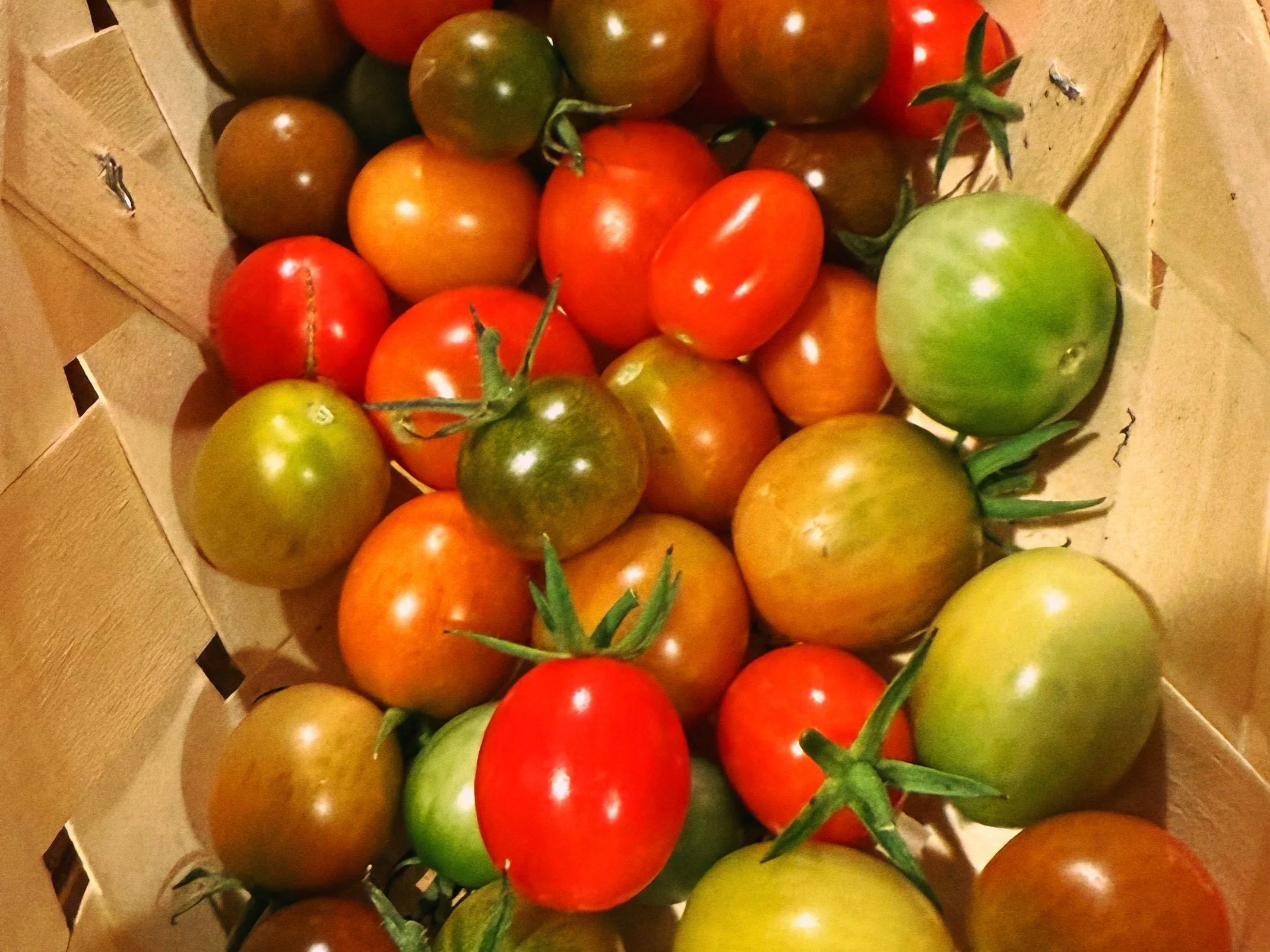
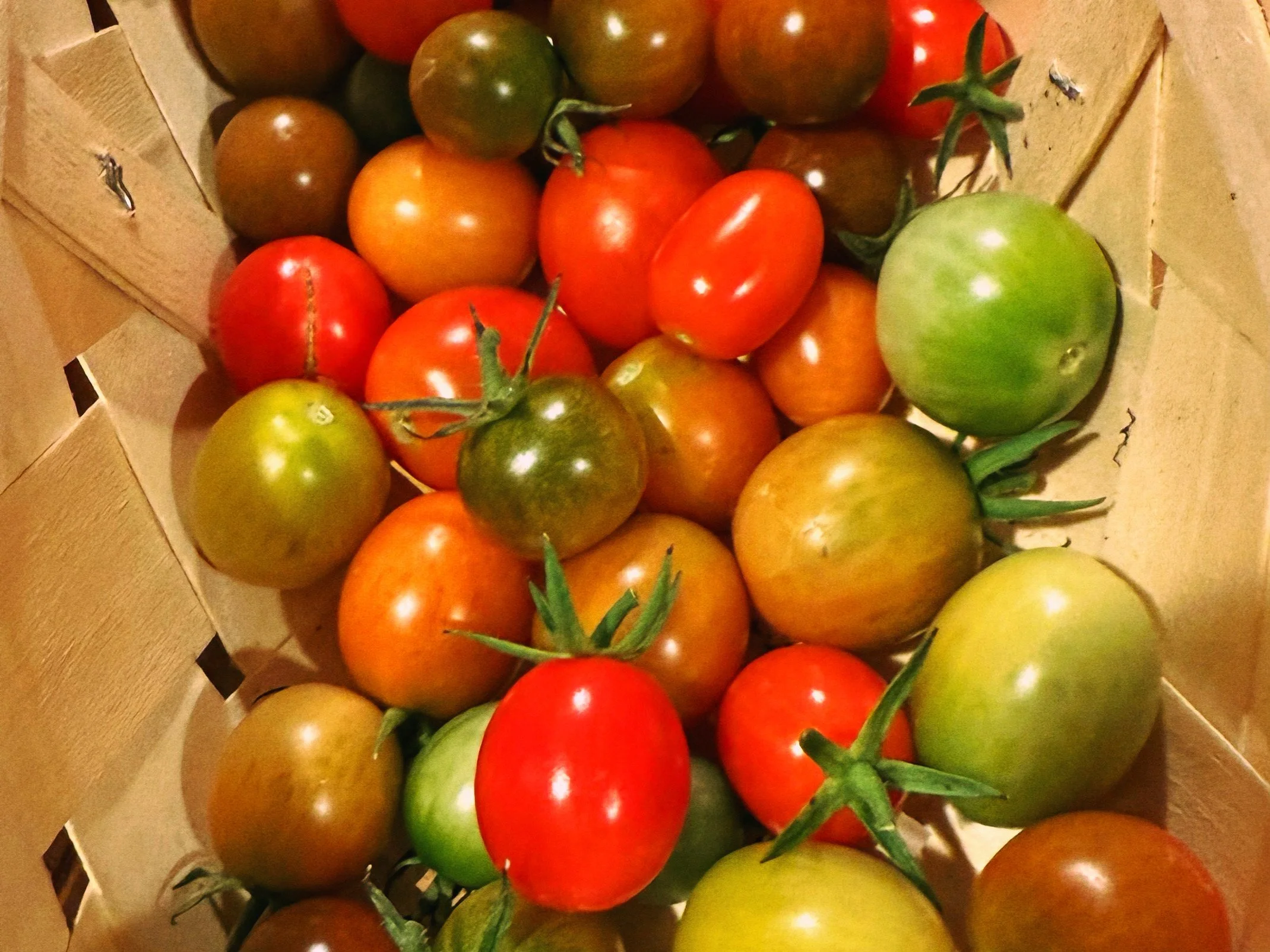
As spring begins turning toward summer, many of us naturally start eating differently. Crisp greens appear at the market. Summer fruits begin to return. Meals move outdoors. There may be picnics, lighter foods, or the simple pleasure of eating something fresh on a warm evening.
And yet, even while eating, many of us barely notice the experience of taste.
As part of our 2026 “Moving Just 10% Slower” series, we have been exploring how the senses of sound, sight, touch, smell, touch, and (in Buddhism) thoughts can serve as gateways into present-moment awareness. Earlier posts reflected on slowing down through mindfully noticing sound, sight, touch, and smell. Each sense offers its own doorway into awareness, helping us step out of autopilot and into direct experience.
This month, we turn toward the experience of taste.
As you may well know, and perhaps experience yourself, many of us eat while distracted, multitasking, scrolling, driving, worrying, planning, or rushing toward the next thing. Meals often become one more activity squeezed into a busy day. In the process, we miss much of what we are actually experiencing.
In Mindfulness-Based Cognitive Therapy (MBCT), we practice returning attention to direct experience. Again and again, mindfulness invites us to notice what is happening right now with curiosity and kindness rather than becoming lost in thoughts, assumptions, judgments, or habits.
Taste can serve as one of those gateways.
Although some practice mindful eating, we don’t need a formal practice to simply slow down enough to understand and notice the experience of taste more fully.
The Often-Overlooked Sense of Taste
Unlike sight and sound, which constantly compete for our attention, taste tends to appear only when we are eating or drinking. Even then, when we’re moving quickly, the experience of taste is easy to miss.
While most of us know whether we like something, dislike it, or want more of it, that is not quite the same as actually tasting it. Often, we move quickly from the experience itself into a reaction, a preference, or a judgment. We decide we like it. We decide we do not. We reach for another bite. We move on.
Yet, if we slow down, there is much more to notice. We might notice that something is sweet, bitter, salty, sour, savory, or that the flavor is off.
Paying Attention To Taste
Taste is one of the body's ways of helping us understand and navigate the world around us. It helps us discern what we are taking in and provides information that supports both nourishment and protection.
There is something remarkable about this process that we rarely stop to consider.
Taste buds are highly specialized sensory organs that help us distinguish different taste qualities. Interestingly, despite what many of us learned growing up, different parts of the tongue are not responsible for different tastes. We are able to experience sweet, sour, salty, bitter, and savory flavors across the tongue.
Even more interesting is that taste buds are shaped much like tiny flower buds and are constantly renewing themselves throughout our lives.
Taste also works closely with smell. Much of what we think of as flavor comes from these two senses working together. This is one reason food often seems bland when we have a cold and our sense of smell is diminished.
Yet, despite how sophisticated this sensory system is, most of the time we hardly notice it. We simply eat.
Pleasant, Unpleasant, and Neutral
The experience of taste also offers us a direct way to explore an important aspect of mindfulness practice.
In MBCT and Buddhist psychology, experiences are often described as having a feeling tone. They may be experienced as pleasant, unpleasant, or neutral.
When we pause and pay attention, taste makes this surprisingly easy to observe.
The sweetness of a ripe peach may feel pleasant. The bitterness of a vegetable may feel unpleasant. A familiar food eaten while distracted may barely register at all and feel neutral.
One of the things we practice in MBCT is becoming more aware of the habits and patterns that shape our experience. Often, these patterns operate so automatically that we barely notice them.
In MBCT, we also notice how quickly our minds can move into story. When we’re in story or caught up in thoughts, we are not directly experiencing anything, including the taste of whatever we are eating. For instance, when we are thinking about food, or about another experience with food, we are taken away from what is actually happening NOW.
Yet, as we bring awareness to taste, we begin to notice not only the food itself, but also our relationship to it.
How quickly do we cling to what feels pleasant?
How quickly do we avoid or reject what feels unpleasant?
How often do we overlook what feels neutral?
Most of this happens automatically. However, by slowing down enough to notice taste, we begin to see these patterns more clearly.
How Quickly Experience Changes
One of the things we may also notice as we pay attention to taste is how quickly our experience shifts.
Something that initially tastes pleasant may become less enjoyable when we’ve had too much. Something we assumed we would dislike may turn out to be surprisingly appealing. A food we barely noticed one day may stand out the next.
These shifts are happening all the time, yet we rarely stop to pay attention to them.
By slowing down and bringing awareness to taste, we begin to observe our experience more closely rather than relying on assumptions, habits, or automatic reactions.
This is another way mindfulness helps us come into direct contact with what is happening right now, and taste gives us a simple and accessible way to do that.
Returning to Direct Experience
As we pay attention to taste, we may also notice how quickly the mind becomes involved.
A flavor may bring up a memory. A preference. A judgment. An opinion.
We may find ourselves thinking about what we should or should not be eating. We may compare the experience to something we had before. We may move into planning, remembering, evaluating, or reacting.
None of this is wrong. It is simply what minds do.
With mindfulness, the invitation is not to stop thinking. It is to notice when the mind has moved away from the direct experience of tasting and gently return.
What does this actually taste like right now?
What am I noticing?
Can I stay with the experience for just a moment longer?
These simple questions help bring us back into contact with what is actually happening and help ground us into this new, fresh moment.
Exploring Mindful Taste
As we move into summer, I invite you to experiment with bringing more awareness to taste.
Perhaps it is the first strawberry of the season. A fresh salad shared outdoors. A slice of watermelon on a hot afternoon. A cup of tea in the morning.
When you take a bite or a sip, pause for a moment.
Notice the taste.
Is it sweet, sour, salty, bitter, or savory?
Is it pleasant, unpleasant, or neutral?
Notice what happens next.
Does the mind move into memory, judgment, comparison, or preference? Can you gently acknowledge that and return to the direct experience of tasting?
You do not need to change what you eat or turn the experience into a formal meditation practice.
Simply slowing down enough to notice can be enough.
One bite. One sip. One breath. One moment at a time.
Much love,
Karen
Curious About Mindfulness-Based Cognitive Therapy?
If you find yourself wanting to slow down, become more aware of habitual patterns, and develop a different relationship with thoughts, emotions, and everyday experience, I invite you to learn more about our upcoming summer 8-Week Online MBCT Course.
I will be offering a free online MBCT Orientation on June 4, 2026, where you'll have an opportunity to learn about the course, experience a mindfulness practice, and ask questions.
MBCT combines mindfulness practice with insights from cognitive therapy to help participants develop greater awareness, resilience, and emotional well-being. This course is especially helpful if you experience depression, anxiety, stress, or low mood. Many people find that the course supports them in responding to life's challenges with greater clarity, steadiness, freedom, and self-compassion.
I would love to have you join us.
Free MBCT Orientation
Thursday, June 4, 2026 | 6:00–7:30 PM EST | Online on Zoom
Contact me directly at karen@drkarenwalant.com to register
Zoom link will be sent after registration
8-Week MBCT Course
June 11 – July 30, 2026; Thursdays, 6:00–8:00 PM EST
Half-Day Retreat: July 19, 2026 | 11:30 AM–5:00 PM EST
Online via Zoom
Contact me directly at karen@drkarenwalant.com to register
Stay Connected
If you haven’t already, I invite you to sign up for the free, monthly newsletter, Grow Your Inner Wisdom—in the midst of it all… , which offers an anchor to help each of us deepen and strengthen our mindfulness and meditation practices. In each newsletter, you’ll receive a little note from me discussing a different theme each month, a link to my most current blog post, and practice to help you feel into and connect with the theme of the month. Please join us, and sign up for the newsletter on my website.
Monthly MBCT & Mindfulness Meditation Group
You’re warmly invited to join our monthly MBCT & Mindfulness Meditation Group, meeting online on the second Tuesday of every month from 6:30–7:45 pm EST (Zoom).
Each session includes a short dharma talk, a guided meditation, and time for reflection on a mindfulness theme relevant to everyday life. Together, we practice settling into the breath and body, gently returning attention to the present moment.
This group is open to those who have completed the 8-Week MBCT Course, as well as anyone interested in deepening their mindfulness practice. It can be especially supportive for those navigating stress, worry, or low mood, and for anyone seeking ongoing practice and community. More info is available on the Mindfulness Meditations Sessions page on the website.